Back to Blog
AI as a Creative Partner: How Small Businesses Make More Without Losing the Human Touch
Thomas David Jacob Team
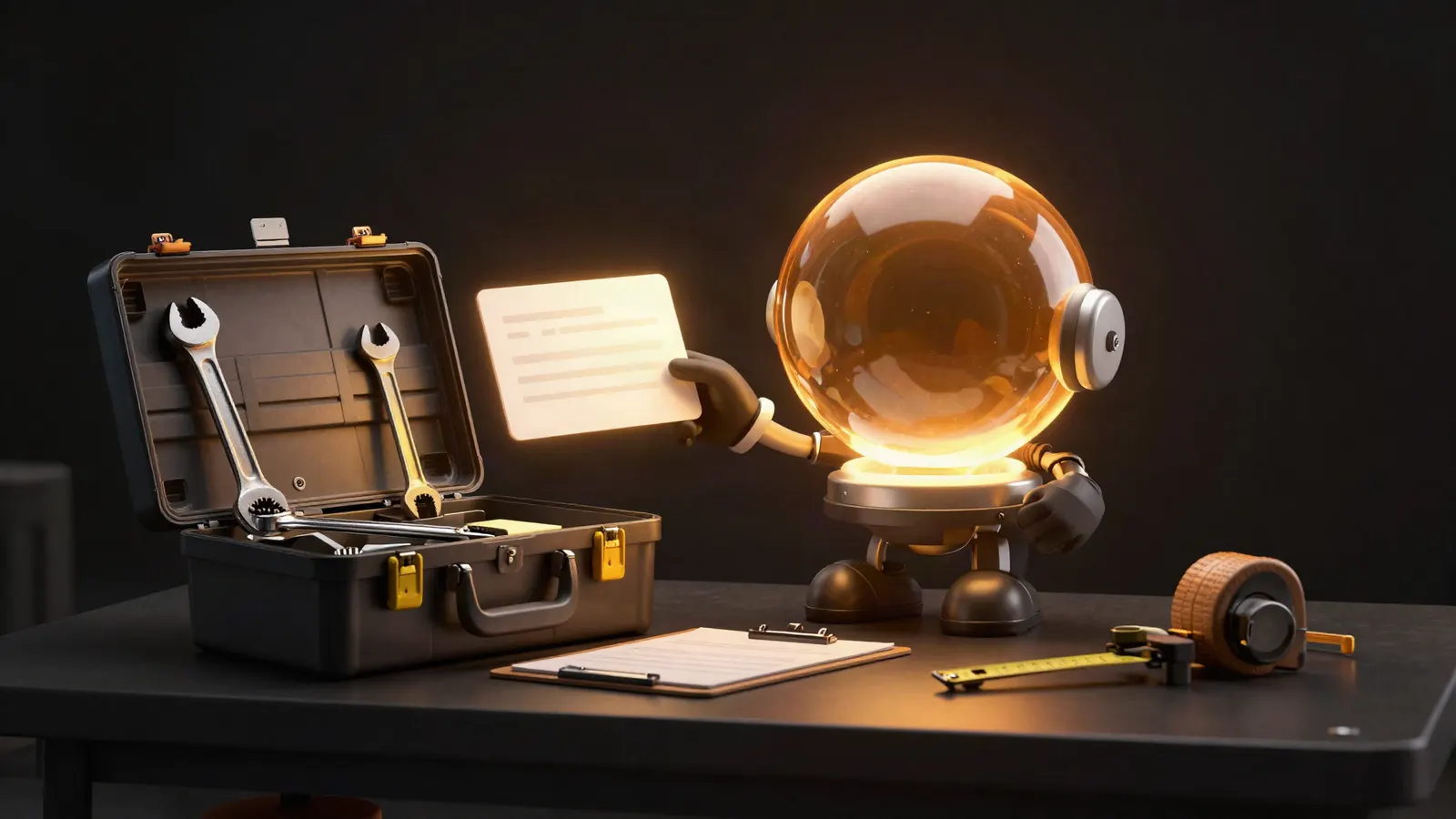
AI doesn't make a small business more creative on its own. It gives the person who already has taste, judgment, and knowledge of their own brand a lot more raw material to work with, a lot faster. That distinction — tool versus replacement — is the whole story of how AI actually shows up in creative work at small businesses across Oregon City and the Portland metro.
A Familiar Pattern in Creative Tools
Every major shift in creative tools has followed the same arc. The camera didn't replace the painter's eye for composition. Photoshop didn't replace the photographer's sense of light. Desktop publishing didn't replace the graphic designer's sense of layout. Each tool removed a slow, mechanical bottleneck and left the judgment part — the part that actually makes work good — squarely with the human. AI-generated drafts, images, and video are the newest version of that same pattern: a faster first draft, not a replacement for the eye that decides whether the draft is any good.
Where This Actually Shows Up for a Small Business
Design
Picture a boutique in Oregon City that needs a dozen social graphics for a seasonal sale. Hiring a designer for every single graphic was never realistic on that budget or timeline. AI can generate a fast first pass on layout options and variations, which a human then edits, corrects, and brings in line with the actual brand — the fonts, the colors, the tone that make the shop recognizably itself. The output that goes out the door is the owner's or a designer's judgment call, made faster.
Video
A local service business — say, a home remodeling contractor in Clackamas County — can now put together short before-and-after clips, captioned walkthroughs, and simple promotional edits without a full production budget. AI handles the repetitive, technical parts of editing. A human still decides what story the video tells and whether it actually represents the work honestly.
Writing
AI can produce a rough first draft of a newsletter, a service page, or a set of ad captions in a fraction of the time it used to take. What makes that draft usable is a person who knows the business editing it for accuracy, voice, and honesty — making sure it sounds like the business, not like a generic template. That editing step is not optional, and skipping it is exactly how a business ends up with copy that reads like nobody was actually involved.
Ads
Testing multiple versions of an ad used to require either a large budget or a lot of guessing. AI makes it realistic to produce several variations of the same ad concept quickly, so a business can see what resonates instead of betting everything on one version. A human still sets the offer, the message, and the guardrails for what the business will and won't claim.
What AI Still Can't Do Creatively
It's worth being just as clear about the limits, because that's where the human-in-charge principle actually gets tested. AI has no memory of why a business chose its colors, its tone, or its name. It doesn't know that a particular photo style has become the visual signature customers associate with a brand, or that a certain joke landed badly with a past customer and should never resurface in a caption. It can produce something plausible in seconds — but plausible and right for this specific business are not the same thing, and only the person who built the brand can tell the difference reliably.
That's also why original strategy stays a human job. Deciding what a business should say this season, which audience to speak to first, or how to respond to a competitor's move is a judgment call built on market feel and business intuition — the kind of thing AI can help you brainstorm around, but shouldn't be trusted to decide alone.
The Human-in-Charge Part Is Not Optional
The businesses that get burned by AI creative tools are almost always the ones that skip the review step — publishing the first draft an AI tool produces without anyone checking it against the brand, the facts, or plain good judgment. The businesses that benefit are the ones that treat AI the way a professional treats any tool: useful for the first ninety percent of the work, and reliant on a human for the last ten percent that actually matters — the accuracy, the taste, the things that make the work theirs. That's consistent with the honest assessment in what AI can and cannot do for your business: it accelerates content and creative drafts; it does not replace original judgment or a business's creative strategy.
Why This Matters More for Small Businesses Than Anyone Else
A large company can afford an in-house creative team producing a steady stream of polished work. A small business in the Portland metro almost never could — until now. This is one of the clearest examples of AI acting as an equalizer for small business: a solo owner with real taste and no creative budget can now produce work that used to require a department, as long as they stay involved in every step rather than handing the whole process over. It's also part of the broader case that small business is where AI's upside actually shows up, covered in why small business is AI's best counter-argument to the doom story.
Quick Takeaways
- AI speeds up the mechanical, repetitive parts of creative work — drafts, variations, first passes.
- A human with real judgment and knowledge of the brand still makes every final call.
- Skipping the human review step is where creative AI use goes wrong.
- Original strategy and brand judgment stay human jobs; AI supports them, it doesn't replace them.
- This gives small businesses access to creative output that used to require a much bigger budget.
Does this put local designers, photographers, and videographers out of work?
For most small businesses, no — it changes what they're hired for. A professional photographer still gets booked for the shoot that actually represents the business; AI fills the gap for the quick social graphic that never had a budget for a professional in the first place. The businesses that get the best results are often the ones still paying a human creative for the work that matters most, and using AI for the volume around it.
If you want a partner who treats AI exactly this way — as an accelerant with a human editor always in the loop — take a look at our AI design studio, AI video studio, and ad creative services, or get in touch to talk about what your business actually needs.
This post is part of our series on AI, fear, and small business reality — start with Will AI Destroy the World? What Business Owners Should Actually Worry About, or read on about what AI actually changes for jobs and staff.
Ready to Grow Your Business Online?
The Thomas David Jacob team works with businesses across Oregon City, Portland, and the greater metro area. Let's talk about what we can do for yours.
Get a Free Consultation